


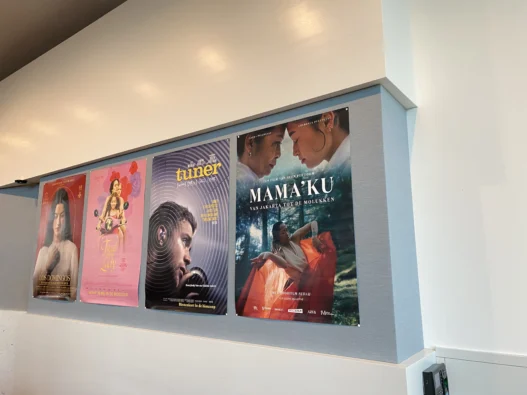
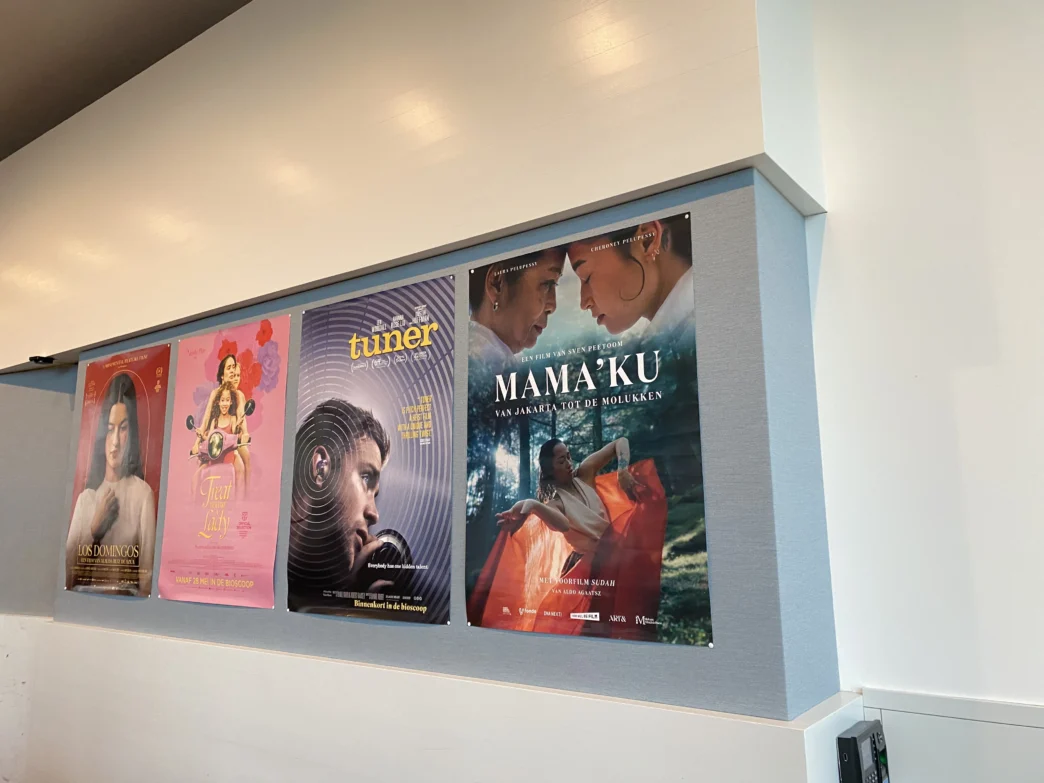
In June 2026, I watched the Mama’ku documentary at LantarenVenster in Rotterdam with my mum, and it ended up being one of those films that stayed with me long after we left the cinema. Directed by Sven Peetoom, the documentary follows dancer and choreographer Cheroney Pelupessy as she travels through Indonesia with her mother, from Jakarta to Saparua in the Moluccas, to confront a family history that had largely remained unspoken. As someone with Javanese roots from Suriname, I recognised so much of what was discussed that it almost felt uncomfortable at times, in a good way.
Watching Mama’ku at LantarenVenster Rotterdam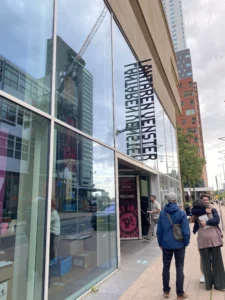
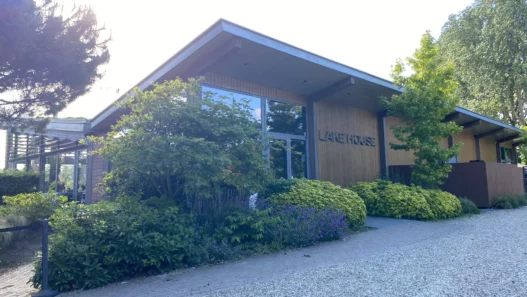
The screening took place at LantarenVenster, one of the cultural venues in Rotterdam. The atmosphere before the film felt noticeably different from a typical cinema screening. People seemed genuinely interested in the subject matter, and I overheard a few conversations about family histories and connections to Indonesia before the lights dimmed.
One thing I immediately appreciated was that the documentary does not try to provide easy answers. Instead, it allows difficult conversations to unfold naturally.
The film is only 57 minutes long, but it felt much more substantial than many feature-length documentaries I have seen.
What the Documentary Is About
Director Sven Peetoom has spent years exploring the lasting consequences of the Dutch colonial past in Indonesia and the culture of silence that often surrounds it.
In Mama’ku, he follows Cheroney Pelupessy as she travels through Indonesia with her mother, beginning in Jakarta, where her mother grew up but rarely spoke about, and continuing to Saparua in the Moluccas.
As the journey unfolds, layers of family history emerge. What starts as a search for forgotten relatives gradually reveals stories of domestic violence, trauma and emotional wounds that have been carried across generations.
The documentary focuses heavily on the relationship between mother and daughter, and that is exactly what made it resonate with me.
In June 2026, Mama’ku received the Kristallen Film award after reaching 10,000 cinema admissions in the Netherlands.
The Parts I Found Most Recognisable
What struck me most was how clearly Cheroney explained feelings that many children of immigrant and colonial families often struggle to put into words.
Throughout the documentary, there were moments where I found myself quietly nodding.
Not because my story is identical, but because the emotions felt familiar.
The frustration of wanting answers.
The sadness of realising your parents experienced things they never fully processed.
The confusion of loving someone while also carrying pain from the way they raised you.
For years, I have struggled with some of those same feelings. At the same time, I also understand that my mum, her mum and many mothers from colonial backgrounds often did the best they could with the tools they had.
That does not erase the impact of trauma, but it does add context.
Mama’ku does not ask viewers to choose sides. Instead, it encourages understanding.
I left feeling a little lighter than when I entered, not because the issues had disappeared, but because the film reminded me that these experiences are shared by many families. I have a good relationship with my mother, and watching it together added another layer of understanding.
Watching It Together With My Mum
Perhaps the most meaningful part of the evening was watching it with my mum.
Every now and then, I glanced sideways to see her reaction.
There were moments when I could tell certain scenes resonated with her too.
We did not immediately start discussing everything afterwards. In fact, we were relatively quiet walking out of the cinema.
But sometimes that says enough.
The documentary created space for reflection rather than forcing a conversation.
Looking back, I think we both recognised parts of ourselves in it.
What I Loved
- The honest portrayal of intergenerational trauma.
- The nuanced mother-daughter relationship.
- The connection between personal stories and colonial history.
- The documentary's emotional depth despite its short runtime.
- The fact that it encouraged empathy rather than blame.
- Seeing experiences reflected that I rarely see discussed openly.
- The thoughtful pacing and intimate storytelling.
Is Mama’ku Worth Watching?
Yes.
Not because it is an easy watch, but because it is an honest one.
Mama’ku succeeds because it focuses on real people rather than abstract historical discussions. It shows how events from decades ago can still shape relationships today.
Personally, I found it both confronting and comforting.
Confronting because I recognised some of the struggles being discussed.
Comforting because it reminded me that many families carry similar stories.
If you get the opportunity to see Mama’ku at a film festival, a cultural venue, or a future screening, I would absolutely recommend it.
For anyone navigating complicated family histories, it offers something valuable: understanding.
For another cultural evening in Rotterdam, read my Hairspray The Musical Rotterdam review.