
Dark Mode Light Mode

Join The MissWidjaja Monthly Edit (Coming Soon))

Get one monthly email filled with new London finds, honest restaurant and theatre reviews, travel inspiration and the latest stories from MissWidjaja.

The MissWidjaja Monthly Edit is coming soon.

Our Privacy Policy and Terms of Use

Frida Kahlo at Tate Modern Review: The Making of an Icon

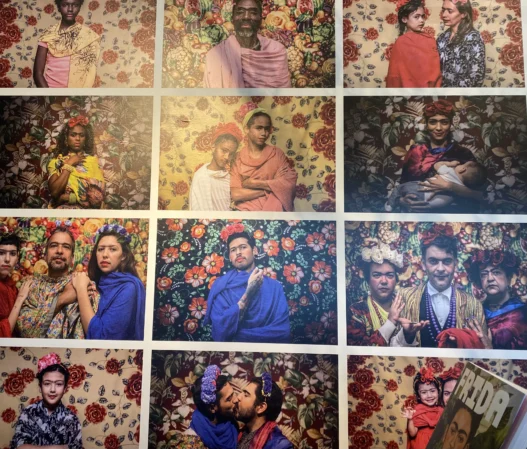
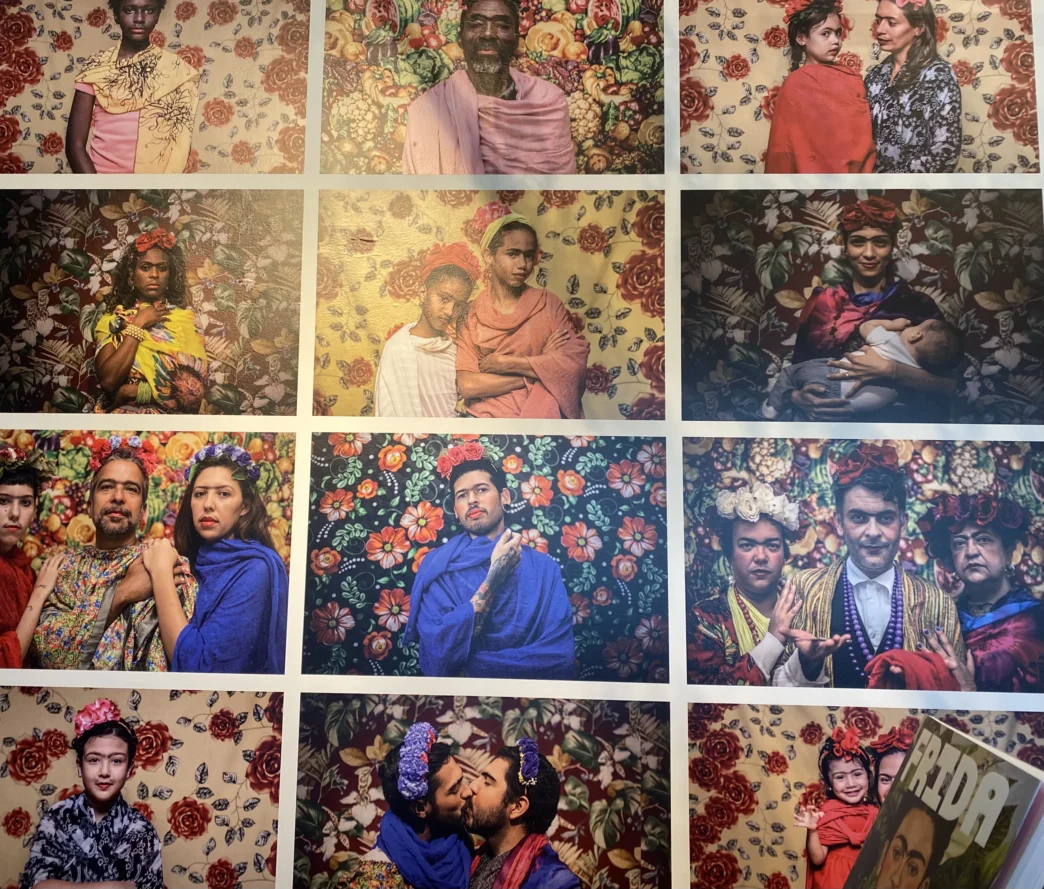
Frida Kahlo exhibition artworks and photographs at Tate Modern in London Frida Kahlo exhibition artworks and photographs at Tate Modern in London

My Visit to Frida: The Making of an Icon at Tate Modern

Last weekend of June, I visited Frida: The Making of an Icon at Tate Modern in London, something I had been looking forward to for weeks. I’ve always been drawn to Frida Kahlo’s work, so seeing Frida: The Making of an Icon in person felt like the right moment to slow down and really look at her art beyond what I had only seen online or in books.
The exhibition takes up an entire floor at Tate Modern and runs until 3 January 2027. Walking into the space felt like entering a very focused world, centred on her life, her pain, and how she turned both into art.

First Impressions Inside Tate Modern

Tate Modern already has that industrial calm I like: big open spaces, concrete, and soft light spilling in from the Thames side. The exhibition space dedicated to Frida Kahlo felt noticeably more intimate than the rest of the museum.
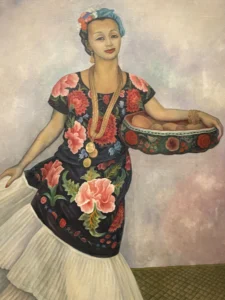
Every section pulled me deeper into her story. What I noticed immediately was how many different voices surrounded her work, not just her own paintings, but portraits of her created by other artists and friends.
It made her feel less like a distant historical figure and more like someone who moved through a very active creative circle in her time.

Discovering Frida Kahlo Beyond the Paintings
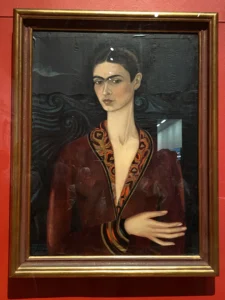
One thing I didn’t know before this visit was how openly Frida Kahlo lived her identity, including being bisexual, and how much she influenced the people around her. The exhibition highlighted how many artists painted her and how she became both muse and creator at the same time.
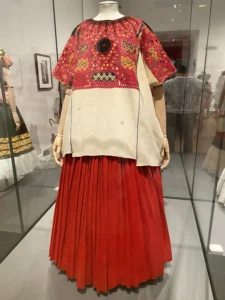
I kept stopping at small details, letters, photographs, dresses, and self-portraits that revealed how carefully she constructed her visual world.
What stood out most was how unapologetically she used her own body and face as subject matter. She didn’t hide from pain; she turned it into imagery.

The Self-Portraits That Stayed With Me

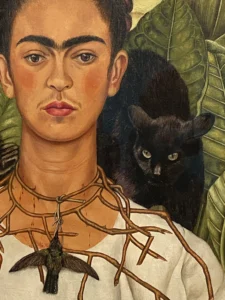
Some of the most powerful works in the Frida Kahlo Tate Modern exhibition were her self-portraits. I spent a long time in front of Self-Portrait with Thorn Necklace and Hummingbird.
There’s something about the way she holds still in her own suffering while still presenting herself so deliberately. It doesn’t feel performative; it feels honest in a way that is hard to look away from.
I also kept thinking about how consistent her visual language is. Nature, pain, symbolism, everything feels connected.

The Painting I Was Looking For: The Broken Column

I went into the exhibition specifically hoping to see The Broken Column, because it has personal meaning for me.

I actually printed an image of it once and wore it on a shirt at a house party, where I dressed slightly inspired by her style during a more emotional period in my life. So seeing it in person would have felt like a full-circle moment.
Even though I didn’t focus on whether it was displayed that day, the anticipation shaped part of my visit. It reminded me how art can travel with you long before you stand in front of it in a gallery.

What I Loved About the Exhibition

  • The scale of the exhibition and the space Tate Modern dedicated to Frida Kahlo
  • The mix of her work and portraits by other artists
  • The honesty in her self-portraits
  • The quiet pacing of the exhibition space
  • How personal the curation felt, rather than purely historical

Things to Know Before You Go

  • The Frida Kahlo exhibition at Tate Modern runs until 3 January 2027
  • It can get busy, especially on weekends.
  • Take your time; it is not a quick walkthrough exhibition.
  • Tate Modern is easy to reach from Southwark and Blackfriars stations.
  • Allow enough time to explore the rest of the museum too.

Is Frida: The Making of an Icon Worth It?

Yes, especially if you already have an interest in Frida Kahlo or modern art exhibitions in London.
What I appreciated most was that it didn’t just present her as an icon. It showed her as a real person shaped by relationships, pain, creativity, and influence.
It’s the kind of exhibition that makes you slow down a little, even if you didn’t plan to.
If you enjoy cultural experiences in London, you can also read about my experience seeing TwoSet Violin at the Barbican.
Rating: 5.0/5. From 1 vote.
Please wait...
Previous Post
Visitor standing beside blue azulejo tiles in Porto, Portugal

6 Days in Porto: My Honest Food, Wine and Culture Guide for First-Time Visitors