


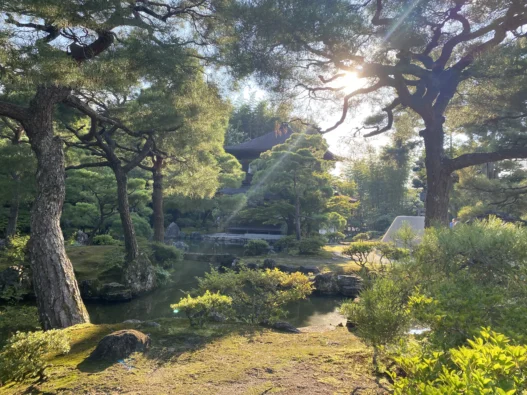
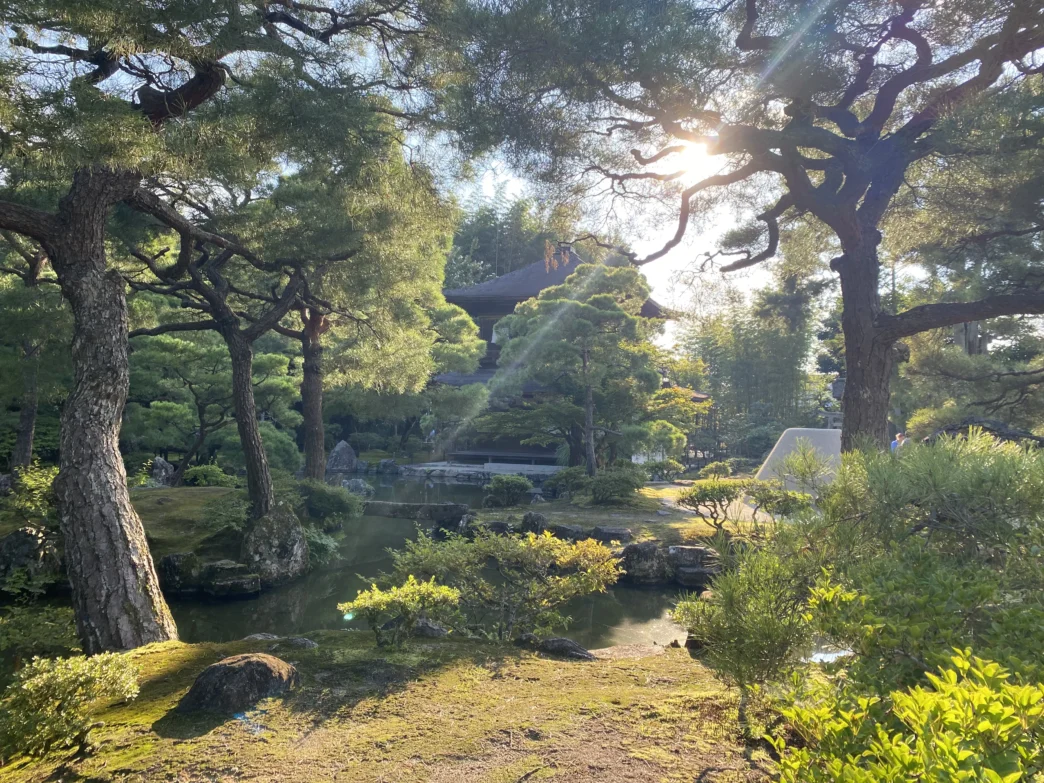
After the energy of Tokyo and the calm of Kamakura, our next stop was Kyoto, a city that feels deeply rooted in tradition, history, and quiet beauty. Where Tokyo feels futuristic, and Kamakura feels coastal and peaceful, Kyoto feels spiritual, elegant, and timeless.
We spent 3 days in Kyoto, and while it wasn’t nearly enough to see everything, it was enough to fall in love.
Ad – Affiliate links: This post contains affiliate links. If you book through an affiliate link, I earn a small commission at no extra cost to you. My opinions and recommendations remain my own.
From Tokyo to Kyoto & Staying Connected
After our time in Tokyo and our day trip to Kamakura (which I’ve shared in previous blog posts), we travelled onward to Kyoto. Having mobile data throughout Japan made this transition incredibly smooth, especially for navigating stations, finding food, and planning temple visits.
As mentioned in my Tokyo post, I used Airalo for my Japan eSIM, which continued to work perfectly in Kyoto as well. Being connected made travelling between cities stress-free, and I’ll add the link again here for anyone planning a similar route.
Where We Stayed in Kyoto: Ala Hotel Kyoto
We stayed at Ala Hotel Kyoto, which is conveniently located not too far from Kyoto Station. The location was ideal, close enough to transport, but still quiet at night.
One thing I really appreciated:
- A convenience store directly opposite the hotel
- Laundry facilities, which are incredibly useful when travelling for longer periods
- An onsen at the hotel, perfect after long days of walking
- You can even enjoy a bath in your room if you prefer more privacy
After busy sightseeing days, coming back to the hotel felt genuinely relaxing.
If I returned to Kyoto, I'd happily stay here again. Being close to Kyoto Station made travelling around the city incredibly easy, while the onsen became my favourite way to relax after long sightseeing days.
Kyoto Station: Food, Shops & First Impressions
Kyoto Station itself is impressive, huge, modern, and beautifully designed. Underground, you’ll find:
- Shops
- Restaurants
- Quick and delicious food options
We tried Ippudo Ramen here, and I really enjoyed it. It was comforting, flavourful, spicy, and exactly what I wanted after a travel day.
Nishiki Market & Central Kyoto Walks
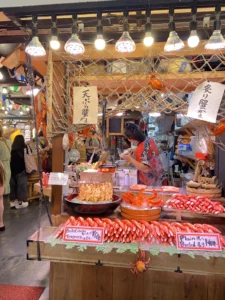
We went for a walk and visited Nishiki Food Market, which is often called “Kyoto’s kitchen.”
Honest thoughts:
- It’s very touristy
-
Even though it attracts lots of visitors, I still think it's worth experiencing once, especially if you enjoy trying small local snacks.
- Great if you want to try small bites (prices might be reflected for tourists)
I tried mochi on a stick, which I really enjoyed. My advice: don’t eat a full meal beforehand if you want to try different foods here. I was already full, so I didn’t try as much as I wanted.
At the end of the market, you’ll find Nishiki Tenmangu Shrine, where you can collect a free stamp if you’re collecting temple or station stamps, a lovely little surprise.
Pontocho Alley, Kamo River & Kyoto by Night
After Nishiki, we walked further to Pontocho Alley, a narrow street full of atmosphere. This is an area where Geiko and Maiko hold private tea ceremonies with customers. These are not public events, and you’re not meant to watch, but if you’re lucky, you might see a Geiko or Maiko walking past very quickly.
Right next to Pontocho is the Kamo River, which becomes very lively in the evening. People sit by the river, chat, and enjoy the cooler air. The reflections of the city lights on the water were beautiful.
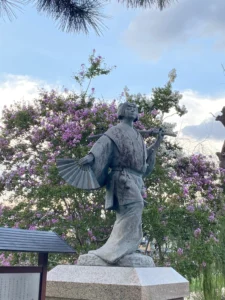
On the other side of the river, you’ll find a statue of Izumo no Okuni, the 17th-century founder of Kabuki theatre. This is also where some free walking tours begin, more on that later.
In the Moon Rooftop Bar
One evening, we went to In the Moon, a rooftop bar with a beautiful view of the sunset over Kyoto. Having a drink here while watching the sky change colours was definitely worth it. Kyoto by night feels softer and more intimate than during the day.
Seeing Kyoto’s Temples by Hop-On Hop-Off Bus
The next day, we decided to take the hop-on hop-off bus, and it was a very good decision, especially with the heat.
There are:
- Two routes (both included in the ticket)
- Two types of buses: open-top and air-conditioned
On hot days, walking between temples can be exhausting, making sightseeing much easier this way.
Kitano Tenmangu Shrine
Our first stop was Kitano Tenmangu Shrine, known for its connection to learning and education.
Kinkaku-ji (Golden Pavilion) – UNESCO Site
Next was Kinkaku-ji, also known as the Golden Pavilion. Seeing the golden temple reflected in the water under a bright blue sky was absolutely divine.
It does get busy, but the beauty of the site still shines through. It’s one of those places that truly feels special in person.
Daitoku-ji Temple
We then visited Daitoku-ji Temple, which felt much quieter. You remove your shoes and walk through connected wooden corridors, surrounded by gardens and nature.
This temple felt very peaceful, less crowded, more intimate, and absolutely worth visiting.
Ginkaku-ji (Silver Pavilion) – UNESCO Site
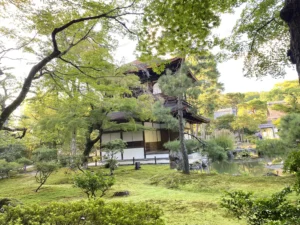
Another UNESCO site we visited was Ginkaku-ji, also called the Silver Pavilion. While the silver doesn’t stand out as much as the gold at Kinkaku-ji, the overall aesthetic, gardens, and setting are very calming and refined.
Kyoto Night Free Walking Tour: Gion & Geisha Culture
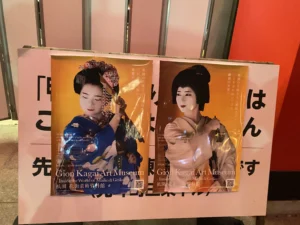
After a long day of walking, we joined the Kyoto Night Free Walking Tour (Gion Geisha) by GuruWalk (alternatively you can get the Get Your Guide Tour - Night Walk in Gion: Kyoto's Geisha District - for a 15GBP), and it was honestly one of the best experiences I had in Kyoto.
The tour was led by a local student who explained:
- The history of Geiko and Maiko
- The traditions behind tea houses
- How the culture still exists today
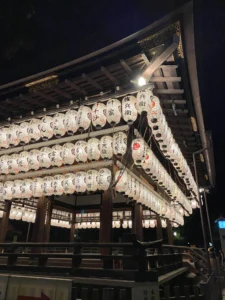
We visited Yasaka Shrine at night and walked through Gion, which felt magical after dark. This tour made me regret not booking a tea ceremony with a Geiko or Maiko, something you need to book well in advance.
The guide also recommended watching “The Makanai: Cooking for the Maiko House” on Netflix, which gives a beautiful glimpse into daily life inside a Maiko house.
That night, we did spot a few Maiko and one Geiko, but it’s important not to disturb them. They are professionals, usually on their way to or from work, and should be respected.
Day Trip from Kyoto to Nara
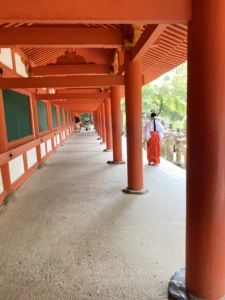
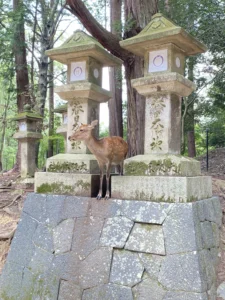
One day, we took a trip to Nara, Japan’s first permanent capital (established in 710). Nara is famous for:
- 8th-century Buddhist temples
- UNESCO World Heritage sites
- Hundreds of semi-wild deer in Nara Park
The deer are considered messengers of the gods, but I do have mixed feelings about the deer cookies sold near the station. They don’t seem very healthy for them. Near the temples, the deer looked much healthier, likely because they feed naturally.
Tōdai-ji Temple – UNESCO Site
A must-visit is Tōdai-ji Temple, home to Japan’s largest bronze Buddha statue inside the world’s largest wooden building. Standing inside felt powerful and humbling.
Kasuga Taisha Shrine – UNESCO Site
Kasuga Taisha is known for its thousands of lanterns and forest setting. Unfortunately, we didn’t have time to go inside, but even from the outside, it was beautiful.
Kōfuku-ji Temple – UNESCO Site
Another UNESCO site, Kōfuku-ji, features a five-storey pagoda, the second tallest in Japan, and has deep historical importance. (It was under renovation when we were there in 2025)
Fushimi Inari Shrine & the Thousand Torii Gates
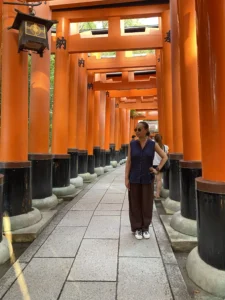
After Nara, we visited Fushimi Inari Shrine, famous for its thousands of red torii gates. Foxes (kitsune) here are believed to be sacred messengers of Inari, the deity of rice and prosperity.
Looking back, I'd probably dedicate an entire morning to Fushimi Inari instead of squeezing it in after visiting Nara. My legs were already exhausted, so I couldn't fully enjoy the hike.
Final Evening in Kyoto
Back in the city centre, we grabbed a quick bite at Kyoto Tower Sando Food Hall, where we tried:
- Wagyu beef skewers
- A fresh matcha drink
That evening, we kept things simple and bought dinner from a convenience store before relaxing back at the hotel and enjoying the onsen. However, The Kyoto Tower Observation deck gives you a incredible view of Kyoto, so might be worth to see as well after the food hall.
We also briefly visited the Pokémon Centre, only to realise later that the Pikachu Geiko and Maiko plushies were incredibly cute. I ended up buying them after the trip, one of my small regrets.
Final Thoughts on Kyoto
Kyoto felt layered, meaningful, and deeply cultural. It’s a city where you slow down naturally, whether you want to or not. Between temples, night walks, and moments of reflection, it stayed with me in a quiet way.
After Tokyo’s intensity and Kamakura’s calm, Kyoto felt like a bridge between past and present.
Our next stop, and next blog post, will be Osaka.
🎟️ Tours and Experiences Mentioned in This Kyoto Guide
If you're planning your own Kyoto itinerary and would like to follow a similar route, I've listed the tours, attractions and experiences mentioned throughout this guide below.
These are the experiences featured in this itinerary:
🍵 Tea Ceremony with Maiko
One of my biggest regrets from Kyoto was not booking a traditional tea ceremony with a Maiko. It's something I'd definitely make time for on my next visit, so I'd recommend reserving it well in advance if it's on your wish list.
👘 Gion Night Walking Tour
The evening walking tour through Gion ended up being one of my favourite experiences in Kyoto. Learning about the traditions of Geiko and Maiko from a local guide made the historic streets feel even more special.
🚌 Kyoto Hop-On Hop-Off Bus
With the summer heat, the hop-on hop-off bus made exploring Kyoto much more enjoyable. It allowed us to visit several temples without constantly navigating public transport.
⛩️ Fushimi Inari Shrine
One of Kyoto's most iconic sights. If possible, I'd recommend visiting early in the morning or giving yourself plenty of time to walk further up the famous torii gates.
🏯 Nara Day Trip
Nara made a wonderful day trip from Kyoto. Between the famous deer and impressive UNESCO sites, it offers a completely different experience from Kyoto itself.
📱 Stay Connected
Having mobile data throughout Japan made travelling between Kyoto, Nara and the surrounding areas incredibly easy. I used Airalo for maps, transport and translations throughout my trip.
❤️ Planning Your Kyoto Trip?
If I had to recommend just three experiences from my time in Kyoto, I'd choose:
🍵 A traditional tea ceremony with a Maiko.
👘 The evening walking tour through Gion.
⛩️ Visiting Fushimi Inari Shrine.
Together they gave me a wonderful mix of Kyoto's culture, history and traditions, and they're the experiences I still think about long after returning home.
🇯🇵 Continue Exploring Japan
Continue your journey:
Or return to my Japan Travel Hub.
Some of the links on this page are affiliate links. This means that if you book through them, I may earn a small commission at no extra cost to you. I only recommend hotels, tours, and travel services that I have personally used, experienced, or genuinely believe will help you plan your trip. Thank you for supporting MissWidjaja and helping me continue to create free travel guides and honest travel content.